
.png?width=3840&quality=70&format=webp)
How to apply for a 30-year fixed-rate mortgage
Applying for a mortgage is simple with Rate’s Digital Mortgage. Follow these steps.

1. Review your finances
Check your credit score, income, debt-to-income (DTI) ratio and cash on hand for a down payment.
1. Review your finances
Check your credit score, income, debt-to-income (DTI) ratio and cash on hand for a down payment.
2. Gather key documents
You’ll need to provide income verification, tax returns, asset statements and personal identification.
3. Apply online
Once you submit your application, your Loan Officer will help you from there.
30-year fixed-rate mortgage guide & FAQs
Reach out to Rate loan experts who can answer even more questions and help you achieve your homeownership goals.
Borrowers tend to choose a 30-year fixed-rate mortgage for two main reasons.
First, the mortgage interest rate stays the same for the entire loan. This gives you a clearer view of your finances each month.
And stretching a mortgage over 30 years lowers the monthly principal and interest payment. This creates space for savings and investments.
Borrowers typically lock the rate for a 30-year fixed-rate mortgage after approval, but before closing.
Locking a mortgage rate means it will stay the same for the entire loan. You won't pay more, even if rates rise before closing. Locking the rate will also help you figure out how much how you can afford.
If interest rates drop after you get your 30-year fixed-rate mortgage, you can choose to refinance. You can choose a loan with a lower rate, or you can refinance to a loan with a shorter term.
However, refinancing comes with costs, just like buying a home. You should make sure your new loan will save you enough money to cover these fees.
This monthly bill for your 30-year fixed-rate mortgage will include payments toward both principal and interest. If you financed any feed or closing costs, those will be part of the payment as well.
At the start of your mortgage, most payments go to interest. As you pay it off longer, you pay more of the principal. This means you will own more of your home.

“The Guaranteed Rate Team was very easy to work with! Information was clear and all available through my portal for review at all times. Additionally the team was very responsive to any and all questions we had along the way.”

Mortgage resources
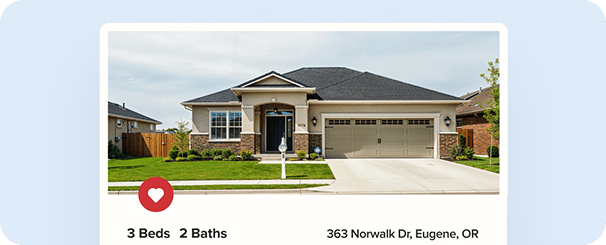
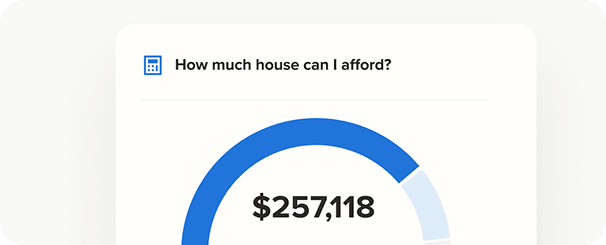
We want to help you find a new home in your area and figure out how much you can afford.
All information provided in this publication is for informational and educational purposes only, and in no way is any of the content contained herein to be construed as financial, investment, or legal advice or instruction. Rate does not guarantee the quality, accuracy, completeness or timelines of the information in this publication. While efforts are made to verify the information provided, the information should not be assumed to be error-free. Some information in the publication may have been provided by third parties and has not necessarily been verified by Rate. Rate, its affiliates and subsidiaries do not assume any liability for the information contained herein, be it direct, indirect, consequential, special, or exemplary, or other damages whatsoever and howsoever caused, arising out of or in connection with the use of this publication or in reliance on the information, including any personal or pecuniary loss, whether the action is in contract, tort (including negligence) or other tortious action.